A lot of bands I cover here fit very well into genre pigeonholes, and a lot of those like being in those pigeonholes and a lot of their fans like them in those pigeonholes, and that’s all fine. But sometimes there’s bands who don’t really fit into any kind of strict category, and because one facet of their sound is just adjacent enough to what I’m trying to do here, I let them in. It also helps if they’re kind of awesome.
Such is the case with South Korean quartet Dabda, who stumbled onto my radar with a local concert announcement for a band I’d never heard of and decided to give a listen to, and boy howdy. They self-describe as “pastel psychedelic” and while it’s obviously meaningless, it’s also as good a way as any of articulating their otherwise unclassifiable mash-up of styles. The technicality of the playing comes from math-rock, the hooks and Jiae Kim’s vocals are pure dreampop, and the vibes are purely psychedelic. And even that feels like I’m being overly reductive. My best comparison for sheer energetic genre obliteration is Japan’s Mass Of The Fermenting Dregs, but coming from math rather than hardcore.
This interview with former guitarist Joseph Lee at The Rest Is Noise was conducted around the time their 2020 debut But, All The Shining Things Are came out, and offers some interesting background on how well indie rock bands like theirs fit in a world where “Korean music” has a very specific meaning – not very well, to put it simply.
Compared to the massive K-pop or K-hip-hop scenes, the band music scene itself is still very irrelevant in the market so in order to survive or become mainstream, it is not a secret that you would have to follow a certain trend within the scene in order to gain some attraction.
Joseph Lee, Dabda
Get To Know: 다브다 DABDA @ The Rest Is Noise
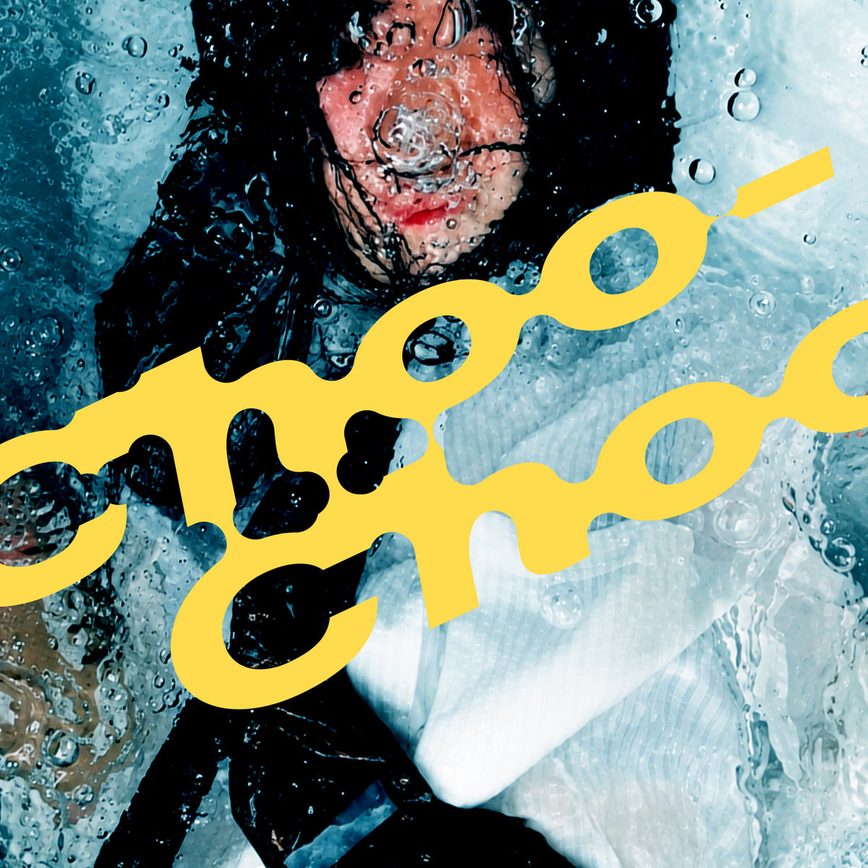
But let’s jump ahead to now as the band just released their second album 온 ON(百), and despite turning over half their lineup since their Shining Things,. It’s an incredibly tight and creative record that has been in heavy rotation here – along with their earlier releases for the past couple weeks. They’ve released four singles from the new record with accompanying videos – all very different in theme and vibe – but the one that got me hooked was for “Choo-Choo”; both the song and the visuals caroms like a runaway train while feeling utterly in control.
To go along with their upcoming international touring, they’ve done some international press in a few languages. First, they talk to English newsletter What I’m Humming about the overarching theme of the record and their process in recording it:
The album is titled ON(百), and “On [온]” is an old Korean word for “one hundred.” The central question running through the album is, “Can we ever reach 100? Can we ever become complete?” But I think that question can either be a meaningful one or a foolish one, depending on the direction you take it.
Jiae Kim, Dabda
Artist Spotlight: Dabda (다브다) @ What I’m Humming
While the Japanese press have unsurprisingly taken a shine to their sound. You’ll need the Google Translate for the Rolling Stone Japan piece, where they cover how new guitarist Park Jungwoong stepped into his predecessor’s place in both the writing and recording.
This album contains songs that you produced with founding member Joseph and songs that you newly completed with Jungwoon. What was the process like in completing an album with sounds that were created at different times?
Jungwoon: For me, the process of interpreting the intentions behind the sounds that Joseph left behind and then interpreting them with my own sounds felt similar to an archaeologist’s excavation. It was like searching for each trace left in the music that had already been created, thinking about its meaning, and then expressing it again in my own way.
Also, I didn’t want fans who had liked Dabda’s previous works to feel that ‘ON (100)’ was too different. As a new member, I wanted to add my own color while naturally connecting it to the musical texture that Dabda had had up until then.
Dabda from South Korea talks about music that affirms imperfect lives—’ON (Hundred)’ where math rock and shoegaze intersect. @ Rolling Stone Japan
Pia Kansai have helpfully provided their own translations in their interview where they discuss their favourite Japanese bands (MOTFD, naturally) and things they’re looking forward to on their Japanese tour:
Music Interview Dabda @ Pia Kansai
And to see how they pull it all off on stage, here’s a live performance from the Summer Modern Rock Festival in Seoul this past August. Cannot wait to see them at The Monarch next month.